


Tom Skerritt, rugged supporting actor who made his mark in Alien, Top Gun and on TV in Picket Fences
Tom Skerritt, rugged supporting actor who made his mark in Alien, Top Gun and on TV in Picket Fences

Telegraph ObituariesFri, October 23, 2026 at 11:36 AM UTC
0
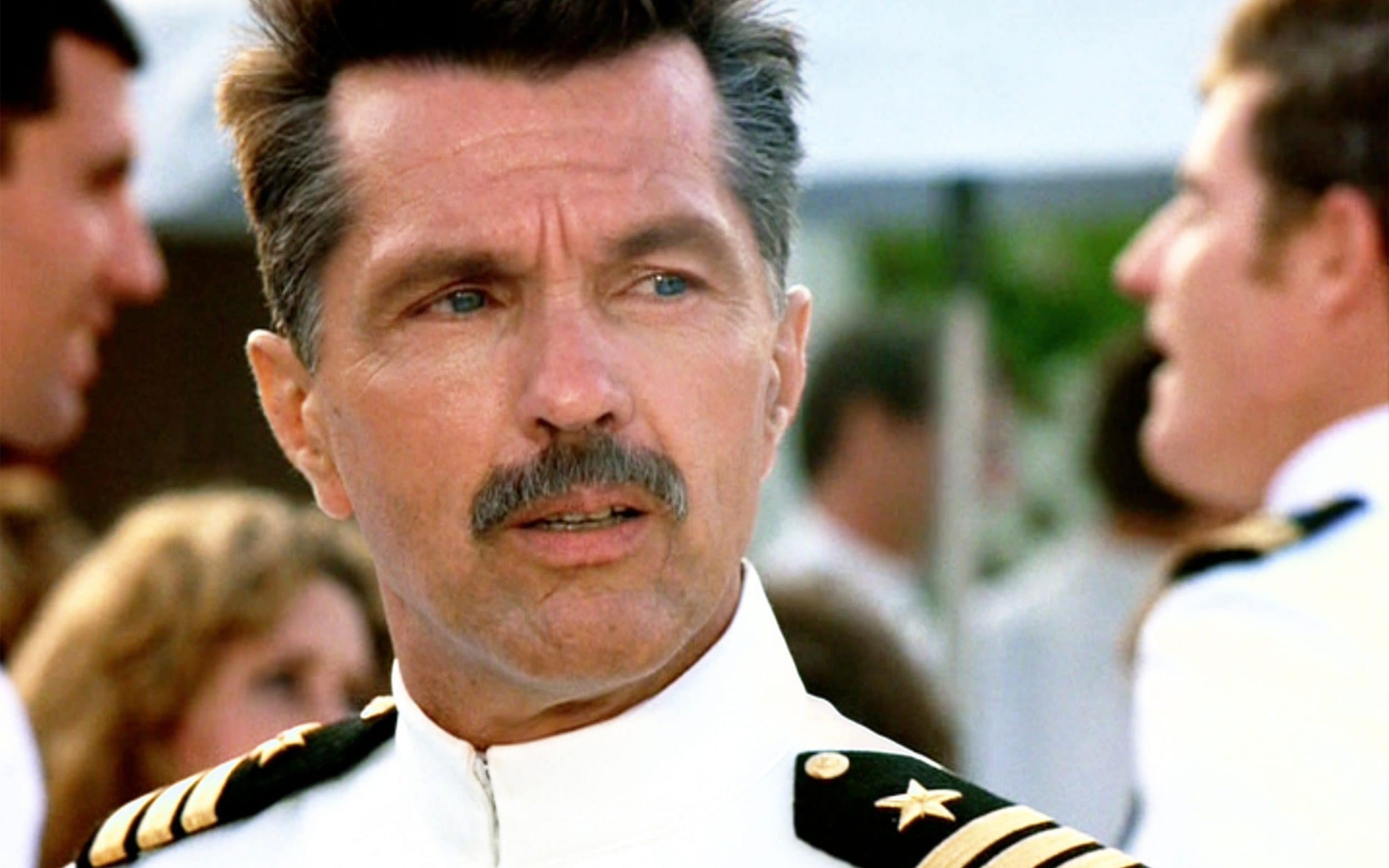
Skerritt as Cdr Mike ‘Viper’ Metcalf in Top Gun - CBS via Getty

Tom Skerritt, who has died aged 93, was a lined and lived-in supporting actor who became a familiar face in the American cinema in the closing years of the 20th century, first as the doomed Captain of the space ship Nostromo, Dallas, in Alien (1979), and later as, variously, stern fathers and authority figures.
He broke through under the irreverent aegis of the New Hollywood, making an early impression as the surgeon Duke Forrest in Robert Altman’s Korean War romp M*A*S*H (1970), billed third behind – and delighting in bickering with – Donald Sutherland and Elliott Gould: “We were all enjoying ourselves in a way that I told them, a couple of weeks before we finished shooting, ‘We’re never going to have the time we’re having now ever again.’ ”
Naively, Skerritt turned down a role in the film’s wildly successful TV spin-off, saying he did not think the project would work in half-hour form, but Altman remained loyal, casting the actor as Shelley Duvall’s mechanic father in his fugitive drama Thieves Like Us (1974). “I don’t think I’d be in the business if it wasn’t for [Altman],” Skerritt later mused. “He was teaching me stuff that I understood was significantly unlike most of the preconceived notions I had. He was not a Hollywood guy.”
More cult movies followed. In Hal Ashby’s intergenerational romance Harold and Maude (1971), Skerritt played a motorcycle cop, billed under the pseudonym “M. Borman”; in Big Bad Mama (1974), a drive-in knockoff of Bonnie and Clyde (1967), he was Fred Diller, the stick-up man in a love triangle with Angie Dickinson and William Shatner; and in the stoner favourite Up in Smoke (1978), he was Cheech Marin’s shaggy pothead cousin Strawberry (“He’s always got the best smoke”).
For Skerritt, already in his mid-forties, such gigs were just work: “I had kids to support. I had to make a living.” But he took a step forward towards the end of the decade, appearing in Herbert Ross’s ballet drama The Turning Point (1977) as Shirley MacLaine’s husband, a retired dancer. The reviews were glowing (Variety raved “the ensemble is an absolute triumph”); more importantly for Skerritt’s visibility within the industry, the film earned 11 Academy Award nominations.
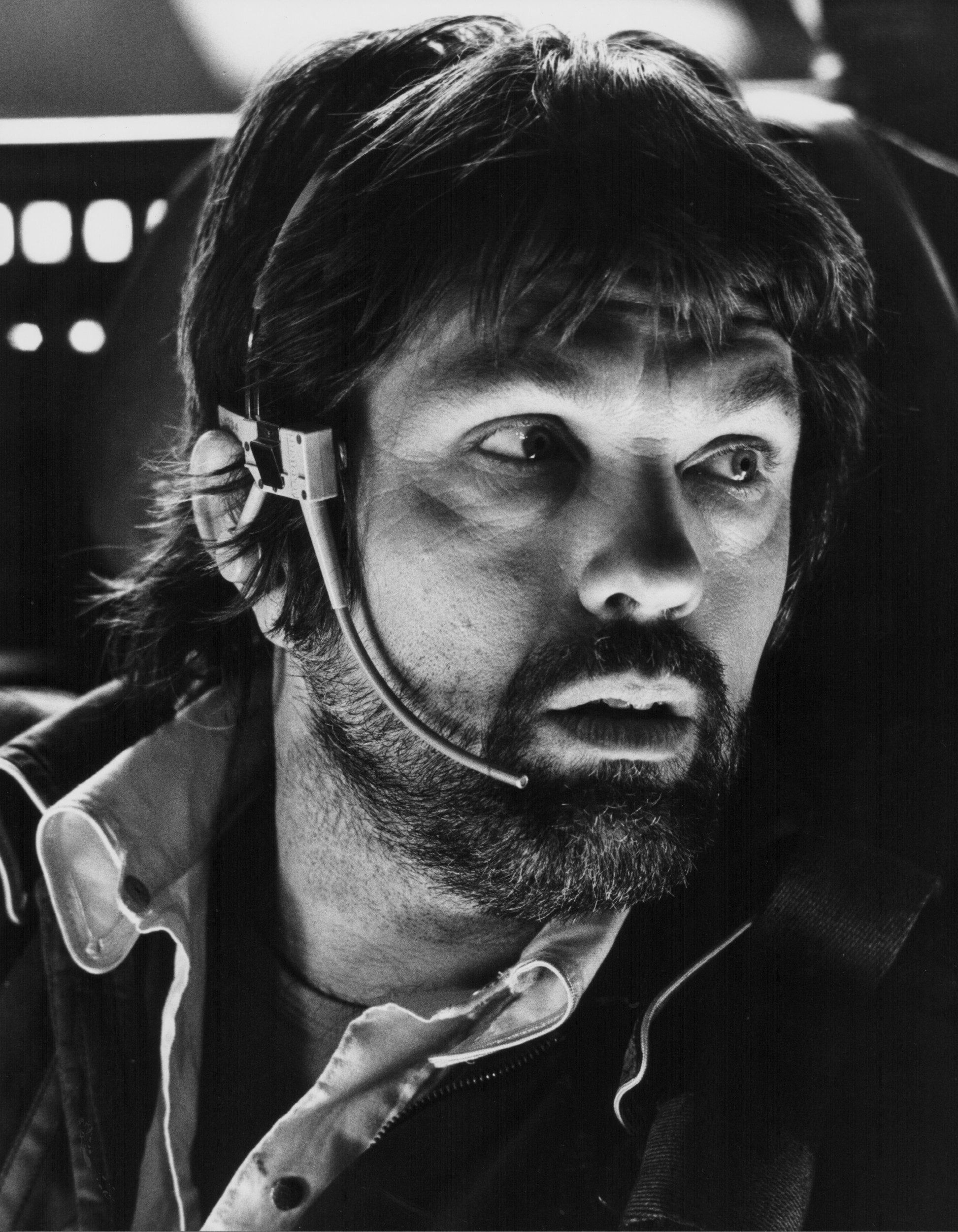
In a scene from Alien - Stanley Bielecki Movie Collection/Getty
Critical approval was one thing; commercial bankability another. The latter followed with Alien, although Skerritt initially turned down the role of Dallas, unimpressed by the script and the lowish budget. It took several rewrites and the studio hiring Ridley Scott as director to persuade the actor; his reward was top billing over Sigourney Weaver. That Dallas was the third character to be picked off by the Xenomorph came as some relief, Skerritt confessed, given the bulky spacesuits and 37C heat on set.
Skerritt’s presence in this runaway hit led to prominent roles over the next decade: as Sheriff Bannerman, tracking a serial killer in David Cronenberg’s adaptation of Stephen King’s The Dead Zone (1983); as Viper, the flight instructor managing Tom Cruise’s cockiness in Top Gun (1986), a part for which Skerritt drew on his spell in the actual Air Force; Kirstie Alley’s former boss (and secret crush) in the long-running sitcom Cheers (1987-88); and Sally Field’s husband Drum Eatenton in the Ross-directed Steel Magnolias (1989).
By now, Skerritt was squarely middle-aged, much in demand, and often cast as conservative minded father figures: the married dad sent into a froth by his daughter’s wild child pal Drew Barrymore in the erotic thriller Poison Ivy (1992), the upstanding Reverend Maclean in Robert Redford’s handsome A River Runs Through It (1992), the Mayor of Seattle in Cameron Crowe’s grunge-scene study Singles (1992).
Yet he put his film career on hold for several years to return to television, signing on to play Jimmy Brock, foursquare sheriff of an eccentric Wisconsin town in the David E. Kelley-created CBS comedy Picket Fences (1992-96), a major US ratings hit and a staple of British satellite and cable TV, for which Skerritt would be twice Golden Globe-nominated and eventually win an Emmy in 1993.
It was not just the awards, however; this was steady work, more reliable for an actor than the ever-fluctuating film business. “I have never really capitalised effectively on the successful films I have appeared in. And I have been in some pretty damn good films. What it comes down to is what someone told me years ago – if you have one hit and the next two are not successful, then you have to start from scratch again. That’s what happened to me. It’s like a game, I suppose, and I’ve been doing OK.”
Advertisement
Thomas Roy Skerritt was born August 25 1933, the youngest of three children to Detroit businessman Roy Skerritt and his wife Helen. He studied at Mackenzie High School, where he credited a trip to the nearby Detroit Institute of Art with firing his creative imagination: “Rodin’s sculpture The Thinker is out front of that, and I remember looking up at that – maybe I’m seven, eight, nine – and saying, ‘Okay: naked guy sitting on a toilet without the sports section. I’ve got nothing to read.’”
Upon graduating, he served four years in the USAF as a comms specialist before studying at Wayne State University and then UCLA, where a studio talent scout spotted him performing in a production of Richard Nash’s play The Rainmaker. He made his film debut in the Korean War drama War Hunt (1962), as part of an illustrious platoon that also included the young Robert Redford, John Saxon, Sydney Pollack and future Love Boat captain Gavin MacLeod. (Francis Ford Coppola had a cameo as a truck driver.)
Skerritt spent much of the next decade plying his trade in television, making appearances on The Alfred Hitchcock Hour (in 1963), Wagon Train (in 1964), My Favourite Martian (in 1964), The Fugitive (1965-66), Mannix (in 1967) and Hawaii Five-O (in 1970). He became a dependable, unshowy, thus recyclable go-to for small-screen casting directors, playing two separate roles on Bonanza (in 1964 and 1973) and five different roles on Gunsmoke (between 1965 and 1972).
He would return to television in the 21st century, but newly greying and distinguished, often playing characters with some official title or real-world precedent: Joe Kennedy in the miniseries Jacqueline Bouvier Kennedy Onassis (2000), the hawkish General Westmoreland in John Frankenheimer’s HBO film Path to War (2002), conservative Democrat Senator Chris Carrick on The West Wing (in 2003), the CIA’s Deputy Director in the BBC-Fox coproduction The Grid (2004) and President Stanfield in The Trojan Horse (2008), which envisioned Canada being co-opted by the US.
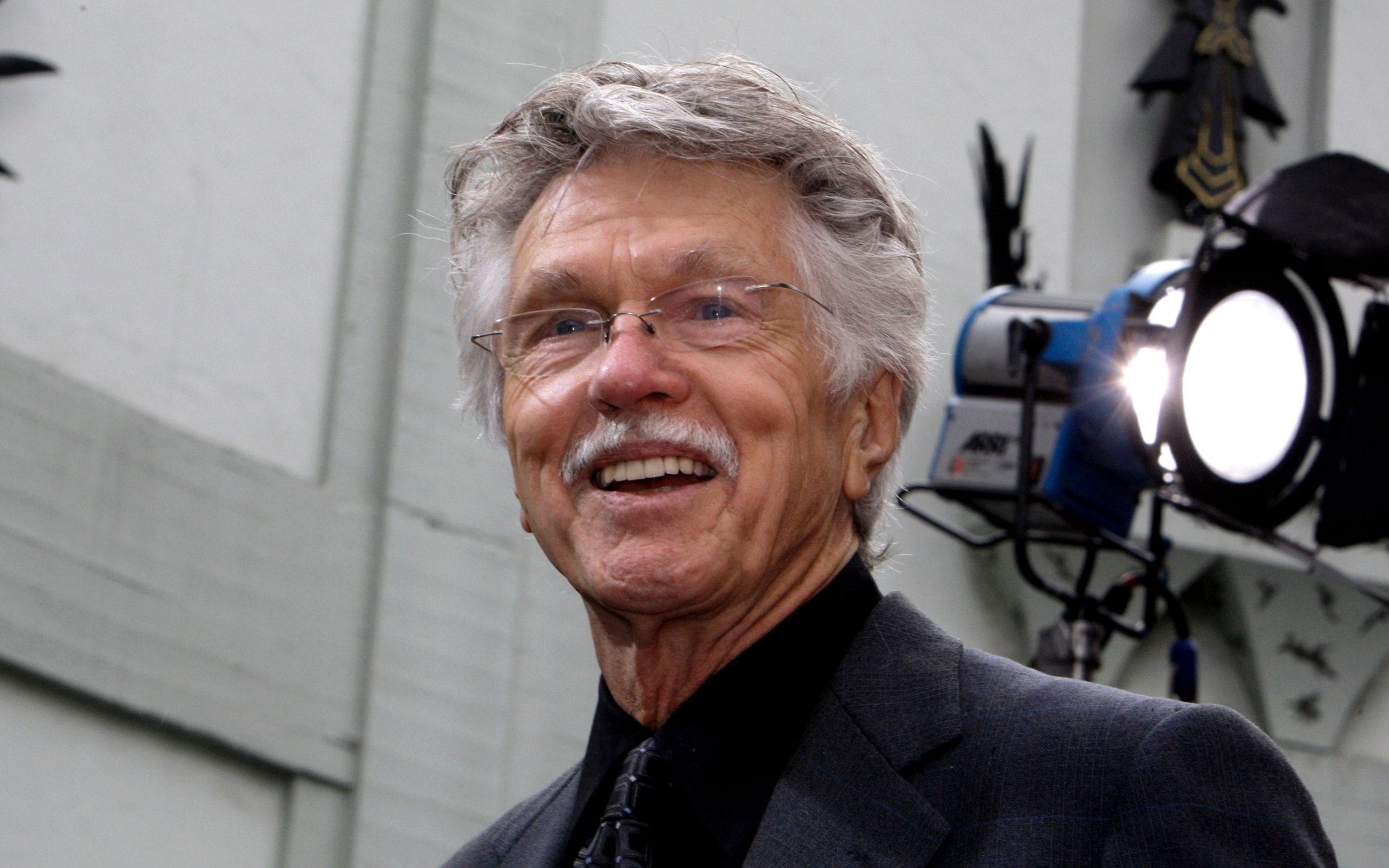
Skerritt (2010): in interviews, he was shruggingly self-effacing and grateful for the opportunities - AP Photo/Reed Saxon
There were fewer movies, although Skerritt was the right level of famous to earn passing mention in Seth MacFarlane’s foul-mouthed Ted (2012) as a middle manager’s role model; in person, he gave Alien co-star Harry Dean Stanton the fondest of send-offs with Lucky (2017), before earning good reviews for the indie East of the Mountains (2021), playing a surgeon with cancer returning home to die. “With a lesser actor, East of the Mountains could have come across as tedious or maudlin,” The Hollywood Reporter commented. “Instead, Skerritt delivers a performance of such understated eloquence and dignity that it emerges as a quiet gem.”
Skerritt briefly turned his hand to direction, overseeing episodes of Danger Bay in 1986 and Picket Fences between 1994 and 1996; his only feature credit was the TV movie Divided by Hate (1997), about a white supremacist cult. He settled in Seattle, appearing there as the title character in a 2012 ballet adaptation of Don Quixote and launching the EVRGRN social-media channel to support local creative talent.
In 2012, Skerritt and former Army captain Evan Bailey founded the Red Badge Project to encourage veterans with PTSD to share their stories; another abiding interest, conservation, extended to fronting Reflections of the River (2025), a limited webseries inspired by the actor’s experiences filming A River Runs Through It.
In interviews, he remained shruggingly self-effacing and ever-grateful for the opportunities, attributing his achievements to “concentration and luck”: “There are many prominent people in this business who choose certain types of pictures and play a derivation of a certain character they always play so they are immediately identifiable – and they are commercially successful because of it. I have never pursued that. I just do films that I would pay five bucks to see.”
He is survived by his third wife, Julie Tokashiki, whom he married in 1998, and five children: one with Tokashiki, three by his first wife Charlotte Shanks, and one by his second wife Sue Ellen Oran.
Tom Skerritt, born August 25 1933, died October 21 2026
Source: “AOL Entertainment”
